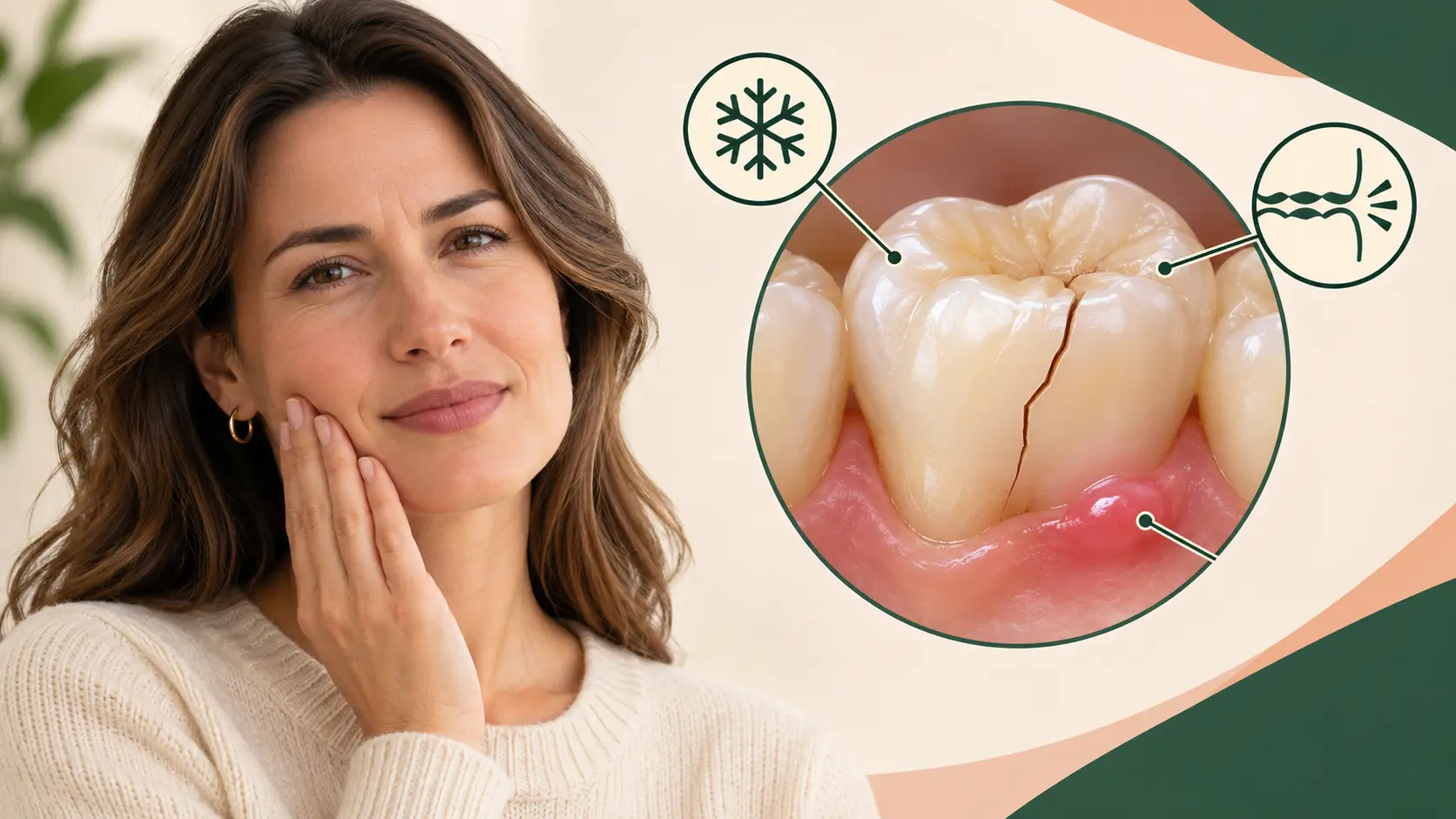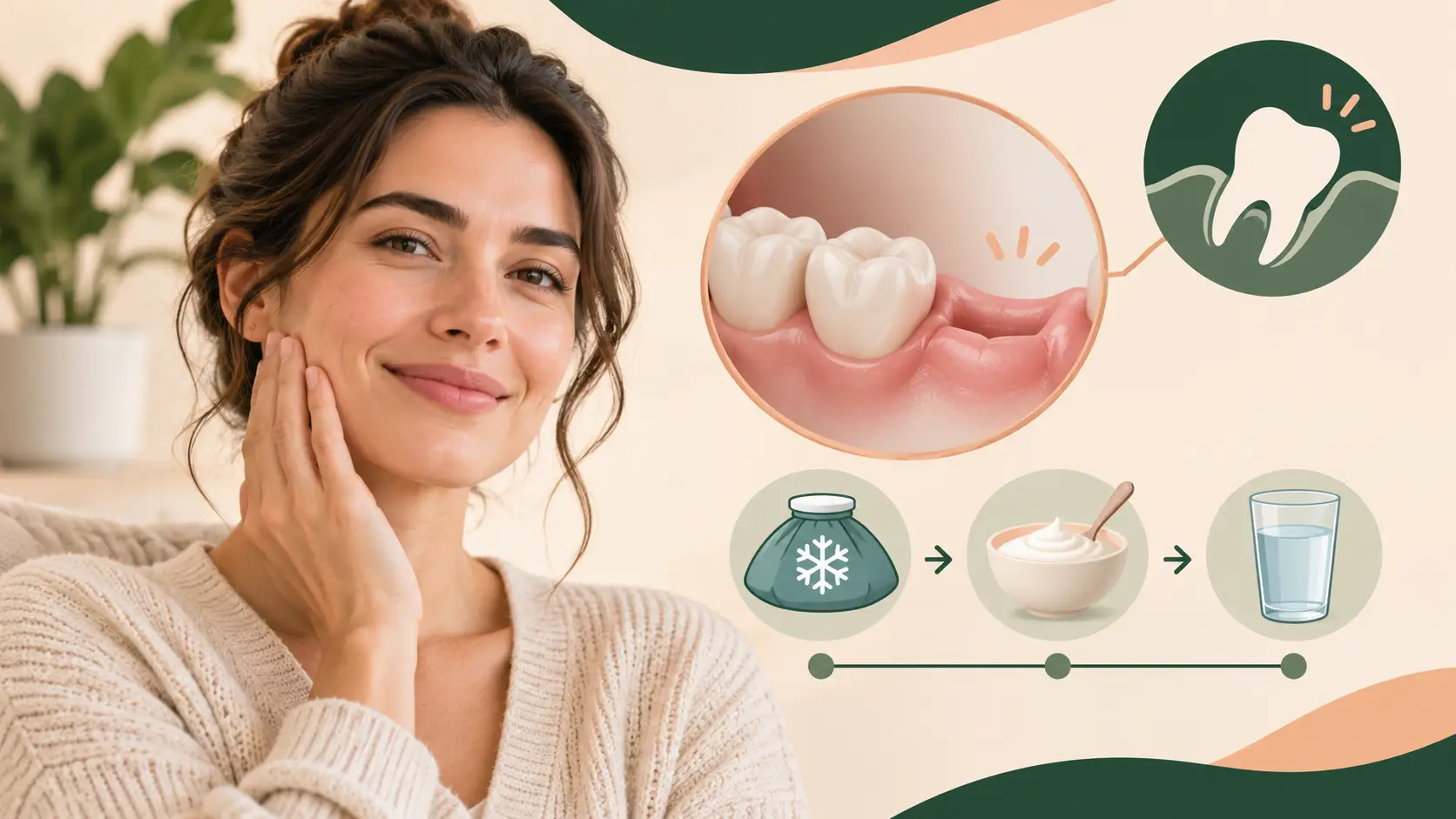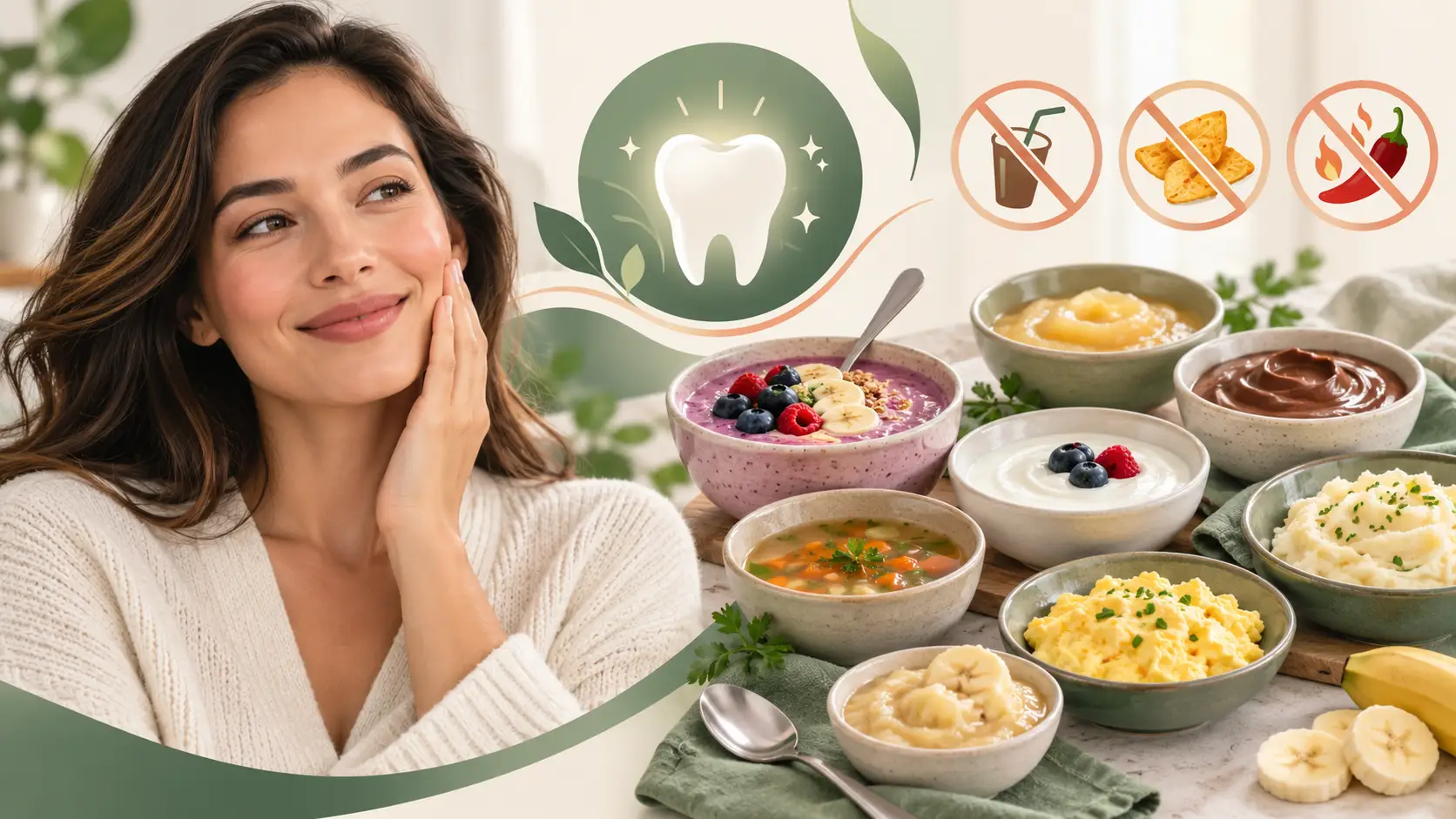
The best soft foods after tooth extraction are cool, smooth foods like yogurt, applesauce, pudding, mashed potatoes, and soft scrambled eggs. You start with these, then slowly add more solid foods as your mouth heals. Choosing the right foods can help protect the extraction site while your mouth heals.
At Marketplace Dental Excellence in Queen Creek, AZ, we help patients heal well after extractions. This guide explains what to eat day by day, what to skip, and when to call your dentist.
Why Soft Foods Matter After a Tooth Extraction
Soft foods matter because they protect the blood clot that forms in your tooth socket. This clot works like a natural bandage. It covers the bone and nerves while your gum heals.
Soft Foods Protect the Blood Clot
Hard or crunchy food can bump the clot or push small bits of food into the hole. If the clot comes out, you can get a painful problem called dry socket. The American Dental Association explains that dry socket happens when the blood clot is lost from the extraction site. Soft food keeps pressure off the area and gives the clot time to do its job.
Soft Foods Lower Pain and Irritation
Soft foods lower pain because they need almost no chewing. Your gum and jaw are sore after an extraction. Food that is smooth and cool does not rub the sore spot, and it can feel calming on a swollen mouth.
Soft Foods Help You Heal Without Setbacks
It can take several weeks to fully heal after a tooth extraction. A gentle diet is worth the effort, even when you feel better after a few days.
What to Eat in the First 24 to 48 Hours
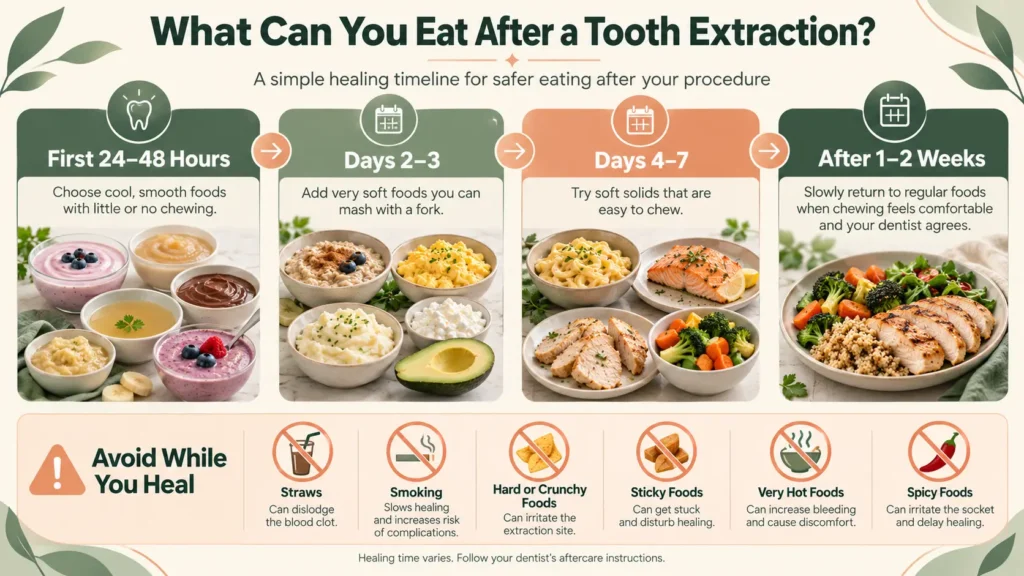
For the first two days, eat cool, smooth foods that you can swallow with almost no chewing. Good choices are yogurt, applesauce, pudding, and blended soup. Keep the food cool or lukewarm, not hot.
When Can You Eat After the Procedure?
You can usually eat once the bleeding is under control and your dentist says it is okay. Some dentists suggest waiting a couple of hours, so follow the plan you were given. Do not eat hot food until the numbness is gone. If your mouth is still numb, it is easy to bite your cheek or tongue without feeling it.
Best Foods for Day One
The best foods for day one are the ones that feel gentle and need no chewing. Try these:
- Plain yogurt
- Unsweetened applesauce
- Pudding or gelatin
- Cool or lukewarm broth
- Mashed bananas
- A smoothie made with fruit and yogurt
A smoothie can add protein and calcium when you blend fruit with yogurt. Eat it with a spoon. Do not drink it through a straw, since dentists advise skipping straws while the clot forms.
Eating After Numbness or Sedation
After numbness or sedation, start with small sips and tiny bites, and wait until you can swallow normally. If you had sedation dentistry for your visit, you may feel sleepy for a while. Let someone stay with you, and begin with water or a cool drink before you try food.
Soft Food Timeline After Extraction
Most people start with liquids and very soft foods for the first two days. Over the next several days, they can gradually add soft solids as chewing becomes comfortable. Healing time varies depending on the type of extraction.
Days 2 to 3
On days two and three, stay with very soft foods that you can mash with a fork. Oatmeal, scrambled eggs, mashed potatoes, cottage cheese, and ripe avocado all work well. Some dentists say soft bread is fine around day three, but ask first if you are not sure.
Days 4 to 7
On days four to seven, you can add soft solids that are easy to chew. Think soft pasta, tender chicken, flaky fish, and well cooked vegetables. Cut food into small pieces and chew on the side of your mouth away from the extraction.
When Can You Eat Solid Food Again?
Most people can slowly return to solid foods after about one to two weeks, once chewing feels comfortable and your dentist agrees. Start with softer solids and add firmer foods a little at a time. If you had a hard extraction, or a wisdom teeth removal with several teeth out, you may need more time on soft foods. Stop and go back to softer food if you feel pain.
Best Soft Foods After Tooth Extraction
Choose soft foods that provide protein and fluids while your mouth heals. The following options are grouped by food type to help you plan balanced meals.
Dairy and Protein Foods
Dairy and protein foods keep you full and help your body repair itself. Yogurt, cottage cheese, and soft scrambled eggs are easy choices. Soft tofu, hummus, and well cooked flaky fish also work. Milk is fine to sip after surgery as long as it is not hot.
Soups and Drinks
Soups and drinks help you stay hydrated when eating feels hard. Let the broth cool until it is lukewarm. Blended vegetable soups, milk, and smoothies are also good. Cool soup with small, soft pieces of vegetables or pasta once you feel ready.
Fruits, Vegetables, and Soft Carbs
Soft fruits, vegetables, and carbs add vitamins and energy. Applesauce, mashed banana, mashed sweet potato, mashed carrots, oatmeal, and soft pasta are all easy on the gums. Skip fruit with tiny seeds, like raspberries and strawberries, unless you blend and strain it.
Foods and Habits to Avoid
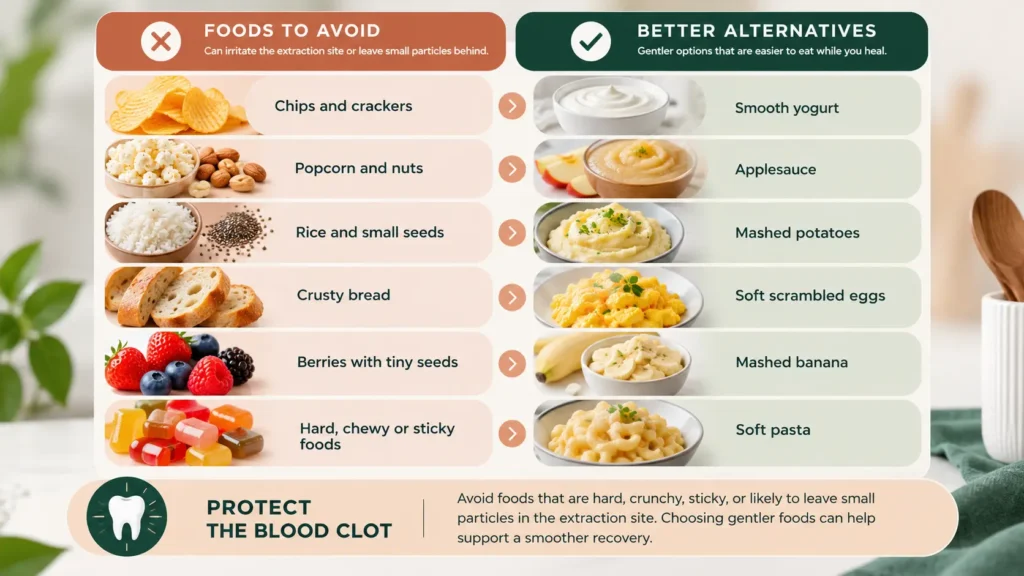
Avoid hard, crunchy, sticky, spicy, and very hot foods, and do not use straws or smoke. These can hurt the clot or slow healing.
Hard, Crunchy, and Sticky Foods
Hard and sticky foods can scrape the site or pull the clot loose. Stay away from nuts, chips, popcorn, granola, ice, hard candy, caramel, and crusty bread. Also avoid hot, spicy, hard, chewy, or crunchy foods while you heal.
Foods That Seem Soft but Are Not
Some foods look soft but have small pieces that get stuck in the socket. Rice, seeds, sesame buns, and cracker crumbs are common examples. Raw crunchy vegetables like carrot and cucumber slices among the foods to skip. Berries with tiny seeds can cause the same trouble.
Straws, Smoking, and Alcohol
Do not use straws or smoke after an extraction. The American Dental Association says to avoid straws for 24 hours. Smoking also raises the risk of dry socket. A 2010 review from the University of Illinois at Chicago found that dry socket follows about 0.5% to 5% of routine extractions, and the range is much wider after lower wisdom teeth are removed. It also described a study in which people who smoked half a pack a day had a dry socket rate of 12%, compared with 2.6% in non-smokers.
The type of extraction matters too. The same review says surgical extractions carry about ten times the risk of routine ones. The safest move is still to skip smoking. Ask your dentist about alcohol too, especially if you are taking pain medicine.
How to Eat Comfortably While You Heal
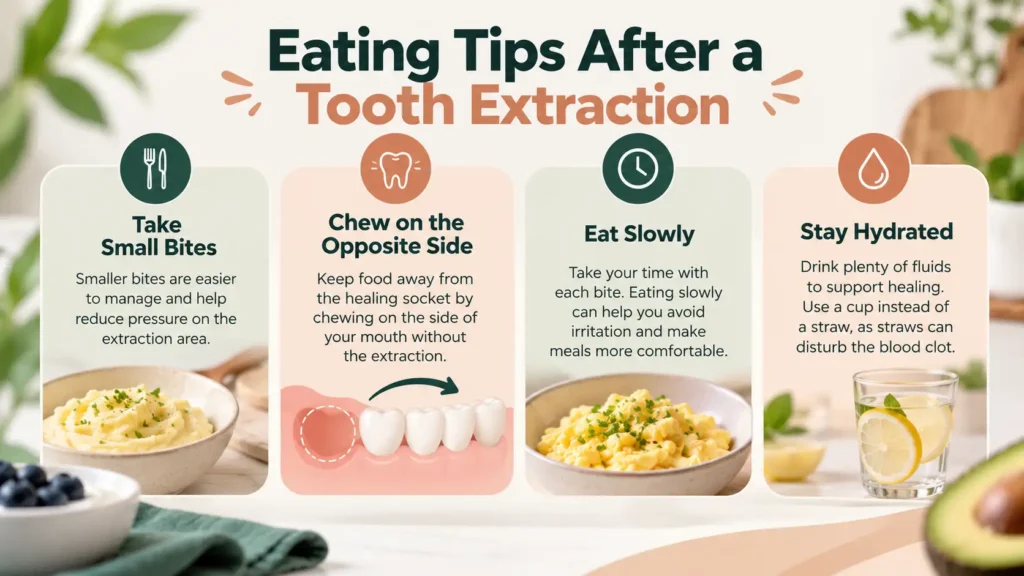
Take small bites, chew on the other side, eat slowly, and drink plenty of water. These habits keep food away from the socket and keep your jaw from getting tired.
Stay Hydrated
Water helps your body heal, and it keeps your mouth fresh. Sip it throughout the day. Cool water is best. Remember to drink from a cup, not a straw.
Keep Your Mouth Clean
Gentle cleaning keeps food out of the socket. The American Dental Association says to rinse gently and to brush and floss while staying away from the socket. Many dentists suggest rinsing with warm salt water, about half a teaspoon of salt in a glass of water, after meals starting the day after surgery. Do not swish hard.
Nutrition That Supports Healing
Protein, vitamins, and fluids help your body repair the extraction site, so plan soft meals that include them. A few smart swaps can keep your meals both gentle and filling.
Research on this topic is still limited. A 1993 paper on nutritional supplements and recovery from tooth extractions noted that nutrients have not usually been prescribed to help people recover from oral surgery. It also noted that vitamin C had not been tested for dental treatment at that time. So think of good food as support for healing, not a cure, and ask your dentist before you start any supplement.
Protein Comes First
Protein helps your body rebuild tissue. Eggs, yogurt, cottage cheese, soft tofu, and blended beans are all good sources that need little chewing. If you do not feel like eating much, a thick smoothie eaten with a spoon is an easy way to get protein and calories.
Special Diets and Health Conditions
If you have diabetes, ask your dentist and your doctor how to plan soft meals that will not raise your blood sugar too much. Pudding, ice cream, and juice are soft, but they are also high in sugar. If you eat plant based foods, soft tofu, lentil soup, hummus, and oatmeal are good choices. Always take medicine the way your dentist told you.
Signs You Should Call Your Dentist
Call your dentist if pain gets worse after the first few days, swelling keeps growing, you have a fever, or you see pus or bleeding that will not stop. These can be signs of infection or dry socket.
Dry socket pain usually starts one to three days after the extraction, and it can come with a bad taste or smell. Do not wait it out. If something feels wrong after hours, our team can help with emergency dentistry so you do not have to wait for the pain to pass on its own.
Conclusion
The best soft foods after tooth extraction are cool, smooth, and easy to swallow, like yogurt, applesauce, smoothies eaten with a spoon, and mashed potatoes. Eat them for the first two days, add soft solids after that, and return to normal food after a week or two when chewing feels comfortable.
Skip straws, smoking, hard foods, and anything hot or spicy while you heal. Take small bites, keep your mouth clean, and drink plenty of water. If anything feels wrong, call your dentist early.
Schedule a Tooth Extraction Consultation in Queen Creek, AZ
If you need a tooth removed, or you have questions about healing, the team at Marketplace Dental Excellence is ready to help. We will explain the steps, give you an aftercare plan that fits your mouth, and answer your questions before and after your visit. Our family dentistry team cares for patients of all ages in Queen Creek and Gilbert.
Call us at (480) 545-8700 or contact us to book your visit today.
Frequently Asked Questions
What is the safest food to eat after a tooth extraction?
The safest foods are cool, smooth foods like yogurt, applesauce, pudding, and blended soup. They need no chewing and do not bother the blood clot. Avoid anything hot, spicy, crunchy, or sticky.
How long do I need to wait to eat after getting a tooth pulled?
Many dentists say you can eat after the bleeding slows and the numbness fades, often within a couple of hours. Follow the plan your dentist gave you. Start with cool liquids or very soft food.
When can I eat solid food after a tooth extraction?
Most people can slowly add solid foods after about one to two weeks. Start with soft solids like pasta or tender chicken, and move to firmer food as chewing feels comfortable. Surgical extractions and wisdom teeth can take longer.
Can I eat ice cream after a tooth extraction?
Yes, a small amount of plain ice cream is usually fine because it is soft and cool. Pick a smooth flavor with no nuts, cookie bits, or hard chunks. Keep it small, since it is high in sugar.
What foods should I avoid after wisdom teeth removal?
Avoid nuts, chips, popcorn, rice, seeds, crusty bread, and chewy candy. Also skip hot, spicy, and acidic foods for the first few days. Do not use a straw, and do not smoke.