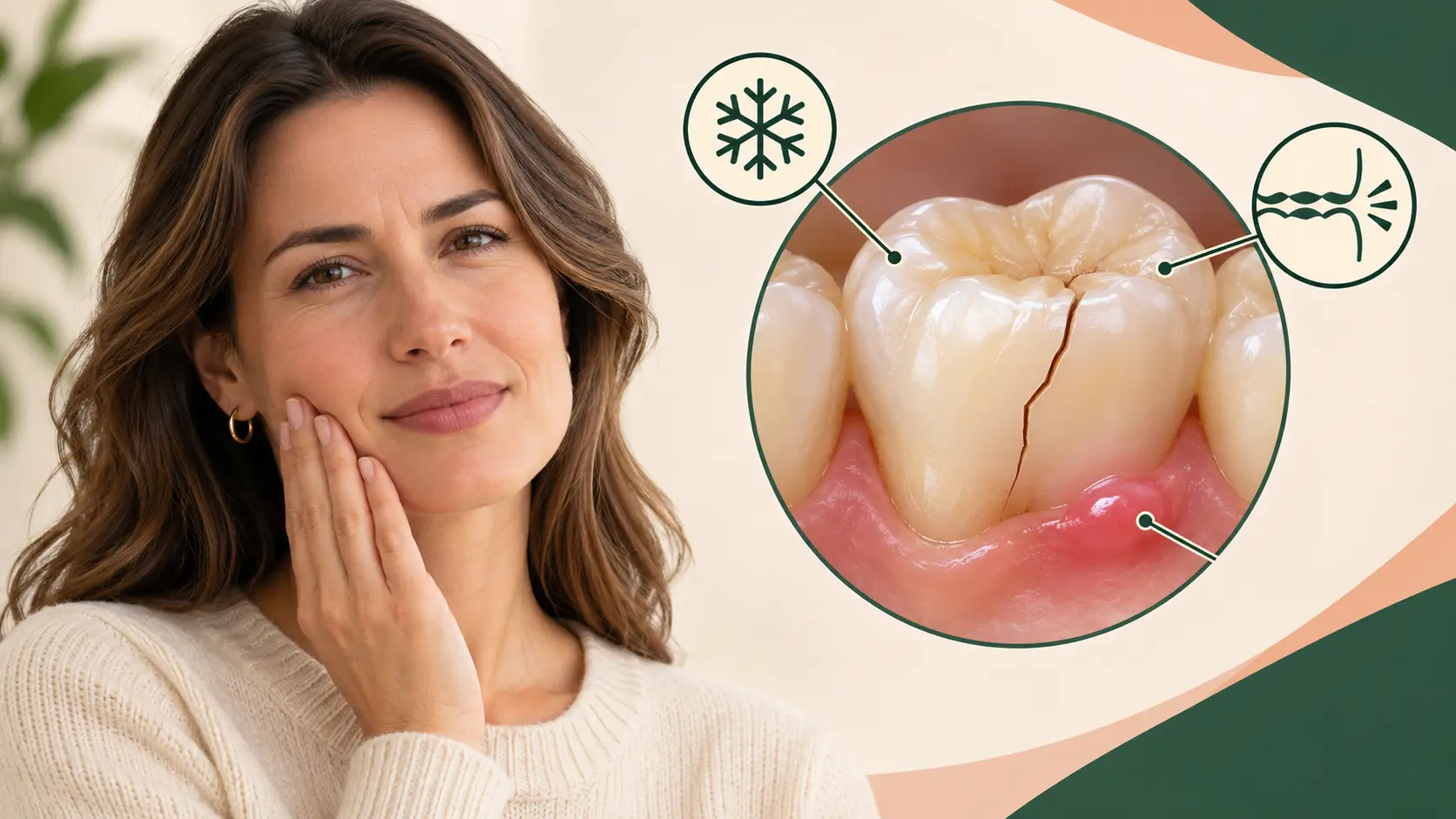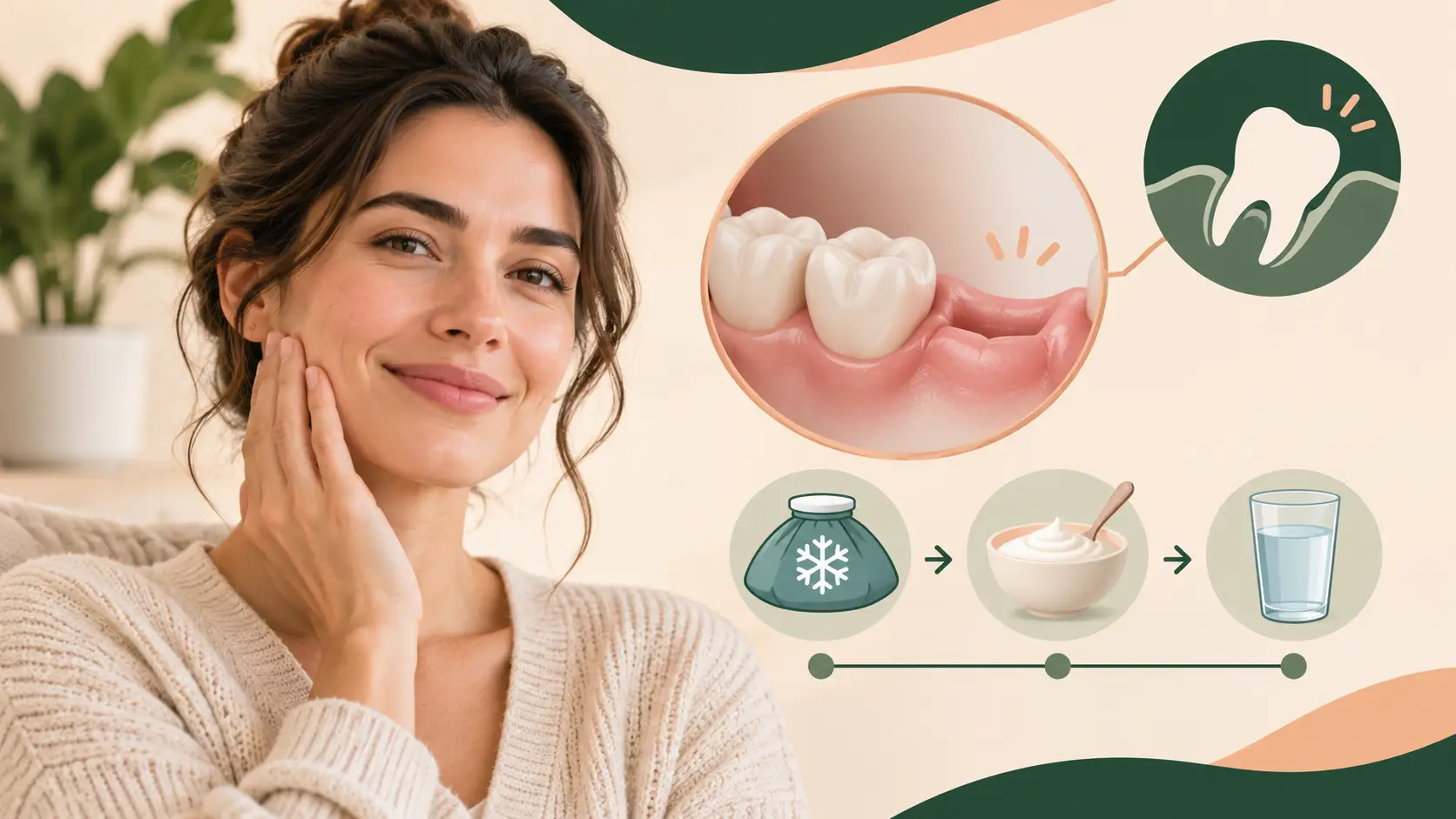
A chipped front tooth, uneven spacing, or stained teeth can make you wonder what treatments are available. If you have been asking what is cosmetic dentistry, it is dental care focused on improving the appearance of your teeth and gums. Treatments such as teeth whitening, dental bonding, veneers, and clear aligners change tooth color, shape, or alignment. Certain procedures also restore damaged or missing teeth.
At Marketplace Dental Excellence in Queen Creek, AZ, our dental team helps patients understand their options before deciding on treatment. Whether you want to brighten stained teeth, repair a small chip, or improve tooth alignment, the first step is understanding what each procedure involves. This guide explains common cosmetic treatments, their benefits, possible risks, costs, and what to expect during your visit.
What Dental Problems Can Cosmetic Treatments Address?
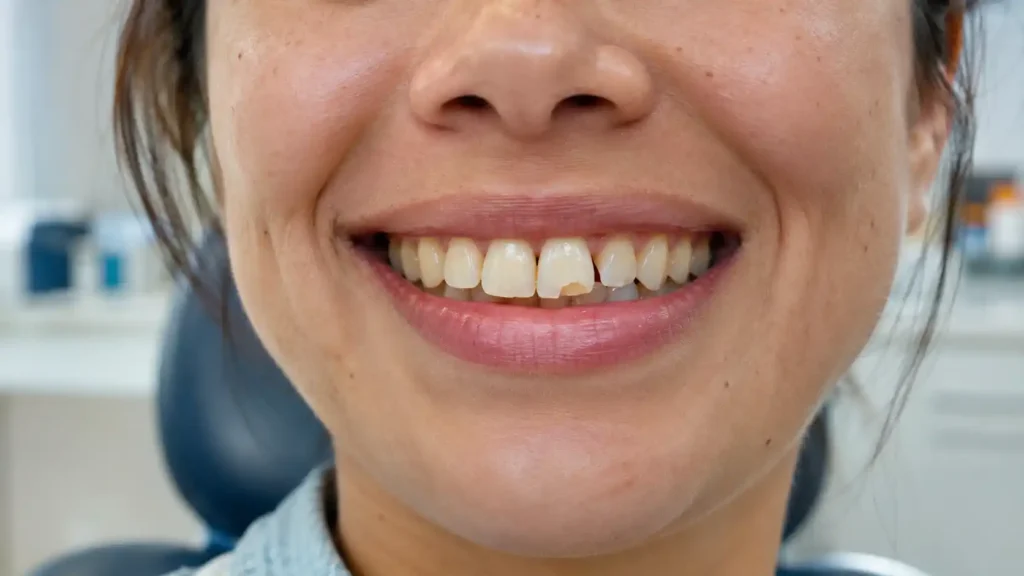
Cosmetic dental treatments address visible concerns such as tooth discoloration, chipped edges, gaps, crowded teeth, and uneven tooth shapes. Each concern requires a different approach because changing tooth color is not the same as repairing damage or moving teeth. For example, coffee and tea can leave stains that professional whitening may reduce.
A small chip along the edge of a front tooth may be repaired with dental bonding. Crowded teeth, however, may require orthodontic treatment to move them into better positions. The cause of a cosmetic concern also matters. A dark tooth may have surface staining, an old restoration, or discoloration caused by an injury.
A gap between teeth may be related to natural spacing, missing teeth, or tooth movement. Our dentist examines the affected teeth before recommending treatment. This helps identify whether the problem is only cosmetic or requires additional dental care. The goal is to address the actual concern rather than simply cover its appearance.
Types of Cosmetic Dental Procedures
Different cosmetic dentistry procedures address different concerns, including stained teeth, small chips, uneven spacing, and missing teeth. Some treatments change the visible surface of a tooth, while others straighten teeth or replace damaged structures.
The treatment method depends on the condition of your teeth and the changes you want. Understanding how each procedure works helps you compare your options before discussing them with our dental team.
Professional Teeth Whitening
Professional teeth whitening lightens the natural color of teeth using dental bleaching products. It is commonly used to reduce discoloration caused by coffee, tea, aging, and certain foods. Whitening products contain hydrogen peroxide or carbamide peroxide, which break down stain molecules and make teeth appear brighter.
Tooth discoloration can be divided into two types. Extrinsic stains affect the outer tooth surface, while intrinsic discoloration develops within the tooth structure. Whitening does not work equally well on every type of discoloration, so the dentist first examines the teeth to determine what is causing the color change.
Treatment may involve an in-office whitening procedure or dentist-supervised take-home trays. In-office whitening is generally completed during a dental appointment, while take-home treatment requires following instructions over several days or weeks. Whitening changes the color of natural teeth but does not lighten existing crowns, veneers, or fillings. Our team can explain whether professional teeth whitening is appropriate for your teeth.
Dental Bonding
Dental bonding uses tooth-colored composite resin to improve the shape or appearance of a tooth. It is often suitable for small chips, narrow gaps, uneven edges, or minor surface imperfections. During treatment, the dentist prepares the tooth surface, applies the resin, shapes it, and hardens it using a special curing light. The material is then polished to blend with the surrounding teeth.
Bonding is often completed in one appointment and usually requires little or no removal of natural tooth structure. The resin can stain or chip over time, especially when exposed to heavy biting forces. Small repairs are often possible without replacing the entire restoration.
Porcelain Veneers
Porcelain veneers are thin, custom-made shells attached to the front surfaces of teeth. They improve the appearance of teeth with stubborn discoloration, uneven shapes, small gaps, or visible imperfections. The dentist first checks whether veneers are appropriate for the teeth and bite. A small amount of enamel is often removed to create room for the veneer, although preparation varies by case.
The finished veneers are bonded to the teeth and shaped to match the planned smile. Porcelain resists many common stains, but veneers can still chip, loosen, or eventually need replacement. They are not usually reversible when enamel has been removed.
Clear Aligners
Clear aligners are removable orthodontic trays that gradually move teeth into better positions. They are used to treat certain cases of crowding, spacing, and bite problems without traditional metal braces. Treatment starts with a dental examination and digital scans or impressions. The dentist uses these records to plan the tooth movements and determine whether clear aligners are suitable for your alignment concerns.
Patients wear a series of custom trays, changing them according to the treatment schedule. Many aligner systems, including Invisalign, recommend wearing trays for approximately 20 to 22 hours each day. The exact instructions depend on the system and treatment plan. Patients remove their aligners when eating and cleaning their teeth.
More complex alignment problems may require another orthodontic approach. After treatment, retainers help maintain the corrected tooth positions and reduce unwanted movement. Our team can discuss clear aligners and explain the treatment requirements during your consultation.
Dental Crowns
A dental crown is a custom-made restoration that covers the visible portion of a tooth. Crowns are mainly used to protect teeth weakened by decay, fractures, or large fillings. They can also improve the appearance of damaged or severely misshapen teeth. Crowns are made from materials such as porcelain, zirconia, or other dental ceramics.
Their color and shape can be selected to blend with nearby teeth. Before placing a crown, the dentist usually reshapes the tooth to create enough space for the restoration. Because crowns cover more tooth structure than veneers, they are generally better suited to teeth that need significant repair or protection.
Dental Implants
Dental implants replace missing teeth using a small titanium or other biocompatible post placed in the jawbone. Once the implant has healed and integrated with the bone, it supports a crown, bridge, or other dental restoration. Implants help replace the visible part of a missing tooth while also supporting chewing function.
Treatment requires a careful examination of the gums, jawbone, and surrounding teeth. Some patients need additional procedures before implant placement. Healing can take several months, depending on bone health and the treatment plan. You can explore dental implant options if missing teeth are affecting your smile or daily activities.
Tooth and Gum Contouring
Tooth contouring reshapes small areas of enamel to improve uneven edges or minor differences in tooth length. It works best when only a small amount of adjustment is needed. Gum contouring changes the outline of gum tissue around the teeth. It may help when the gum line appears uneven or covers more of certain teeth than expected.
These treatments involve different tissues, so the dentist evaluates them separately. Tooth contouring permanently removes a small amount of enamel. Gum contouring also requires an assessment of gum health and the supporting tissues before treatment.
Cosmetic Dental Procedures at a Glance
The following table compares common cosmetic dental treatments and their main limitations.
| Procedure | Best Suited For | Treatment Method | Important Limitation |
| Teeth Whitening | Natural tooth discoloration | Professional bleaching | Does not whiten crowns or veneers |
| Dental Bonding | Small chips and minor gaps | Composite resin | May stain or chip |
| Porcelain Veneers | Visible front-tooth imperfections | Bonded porcelain shells | Usually requires enamel removal |
| Clear Aligners | Crowding and spacing | Removable orthodontic trays | Requires consistent daily wear |
| Dental Crowns | Damaged or weakened teeth | Full-coverage restoration | Usually requires tooth preparation |
| Dental Implants | Missing teeth | Implant-supported replacement | Requires surgery and healing |
| Tooth and Gum Contouring | Uneven tooth edges or gum lines | Enamel or gum tissue reshaping | Removes natural tissue |
Cosmetic Dentistry vs. Restorative Dentistry
Cosmetic dentistry primarily focuses on improving the appearance of teeth and gums, while restorative dentistry aims to repair damaged teeth and restore their function. Some procedures serve both purposes, depending on the patient’s dental condition and treatment goals.
For example, professional teeth whitening is considered cosmetic because it changes the color of natural teeth without repairing structural damage. A dental filling is restorative because it repairs a tooth affected by decay. Dental crowns and implants can serve both purposes. A crown protects a weakened tooth while improving its appearance, while a dental implant replaces a missing tooth and supports chewing function.
The distinction is important when choosing treatment. If a tooth has decay, an infection, or structural damage, those problems need appropriate dental care before focusing on appearance. Your dentist can evaluate the condition of your teeth and explain whether you need cosmetic treatment, restorative treatment, or a combination of both.
Who Is a Good Candidate for Smile Enhancement?
People with healthy teeth and gums who want to improve their smile’s appearance are generally good candidates for cosmetic dental treatment. However, suitability depends on oral health, the condition of the teeth, the bite, and the procedure being considered. Before recommending treatment, the dentist checks for cavities, gum disease, enamel damage, and other dental problems.
Active gum disease or untreated decay usually needs attention before elective cosmetic work begins. Teeth grinding, also called bruxism, can affect treatment decisions. Repeated grinding places pressure on teeth and restorations, increasing the risk of wear, chips, or fractures. Patients who grind their teeth may need additional protection or a different treatment approach.
The amount of healthy tooth structure also matters. Someone with a small chip may have enough enamel for bonding, while a severely damaged tooth may need a crown for protection. A dental examination helps determine which procedures are suitable. It also gives patients a chance to discuss medical history, existing dental work, and expectations before choosing treatment.
What Is Cosmetic Dentistry Like at Your First Visit?

Your first cosmetic dental visit usually begins with a discussion about what you would like to change. The dentist then examines your oral health and explains possible treatment approaches. The appointment is an opportunity to understand your choices before committing to a procedure.
Oral Examination and Smile Assessment
The dentist examines your teeth, gums, bite, and existing dental work. Depending on your needs, the assessment may include X-rays, photographs, or digital scans. You may be asked which features of your smile concern you most. This could include one chipped tooth, uneven spacing, or a change in tooth color.
The dentist also checks for conditions that could affect treatment, such as cavities, gum inflammation, or worn enamel. This examination helps establish a clear picture of your oral health and identifies any problems that need attention before cosmetic work begins.
Reviewing Treatment Options and Expected Results
After the examination, the dentist explains which treatments could address your concerns. The discussion may include materials, appointment requirements, limitations, and expected appearance. Some procedures require only one visit, while others need several appointments or a longer treatment period.
Photographs, digital previews, or models may help you understand the proposed changes when appropriate. You should also receive information about preparation, recovery, maintenance, and future replacement needs. Before proceeding, ask questions about anything you do not understand. Cosmetic treatment should begin only after you know what the procedure involves and agree to the proposed plan.
Benefits and Possible Risks of Cosmetic Dental Treatment

Cosmetic dental treatment can improve the color, shape, spacing, and overall appearance of teeth. Depending on the procedure, patients may achieve a brighter smile, smoother tooth edges, or more even alignment. Certain treatments, such as crowns and dental implants, can also improve chewing function when teeth are damaged or missing.
However, cosmetic procedures have limitations and possible risks. Professional teeth whitening may cause temporary tooth sensitivity or gum irritation. Dental bonding can chip or stain over time, while porcelain veneers may crack, loosen, or eventually require replacement. Some patients may also experience temporary discomfort following treatment.
A 2016 review published in Community Dental Health examined 57 papers and discussed biological, psychological, and ethical concerns associated with cosmetic dental treatment. The review highlighted the importance of considering patient expectations and possible treatment-related harm alongside appearance improvements.
Results also vary between individuals. Tooth condition, treatment materials, oral hygiene, and daily habits can all affect the outcome. Discussing the potential benefits and limitations with your dentist helps you understand what a procedure can realistically achieve.
How Long Does Recovery Take After Cosmetic Dental Treatment?
Recovery after cosmetic dental treatment depends on the procedure and the amount of work involved. Some treatments require little recovery time, while others involve temporary sensitivity, gum healing, or a longer recovery period. Dental bonding and professional teeth whitening generally require minimal recovery. Patients can usually return to their normal activities shortly after treatment, although temporary tooth sensitivity may occur following whitening.
Porcelain veneers may also cause temporary sensitivity after tooth preparation and placement. Gum contouring involves reshaping gum tissue, so healing may take several days or longer depending on the extent of treatment. Dental implant placement requires a longer recovery period because the implant needs time to integrate with the jawbone.
This process can take several months before the final restoration is placed. Follow your dentist’s instructions for oral hygiene, eating, and managing discomfort during recovery. Contact your dental team if you experience worsening pain, heavy bleeding, or increasing swelling after treatment.
How Long Do Cosmetic Dental Results Last?
Cosmetic dental results can last from several months to many years, depending on the treatment. According to Cleveland Clinic’s 2024 cosmetic dentistry guidance, teeth whitening results may last approximately 6 months to 3 years, dental bonding about 5 to 8 years, and veneers around 5 to 15 years. These are general estimates rather than guaranteed treatment lifespans. Materials, oral hygiene, teeth grinding, and daily habits affect how long results remain in good condition.
Dental crowns and implant-supported restorations also experience wear over time. Even when an implant remains stable, the attached crown may eventually need repair or replacement. Clear aligner treatment requires long-term retention. Without wearing retainers as instructed, teeth may gradually move away from their corrected positions. Daily care makes a difference.
Brushing with fluoride toothpaste, cleaning between teeth, and attending dental checkups help protect natural teeth and dental restorations. Avoid chewing ice, using teeth to open packages, and biting other hard objects. Patients who grind their teeth may also need a custom night guard. Our dentist can explain the expected maintenance requirements and signs that a restoration needs attention.
Factors That Affect the Cost of Cosmetic Dental Work
The cost of cosmetic dental treatment depends on the procedure, number of teeth involved, treatment complexity, materials, and any additional dental work needed. Professional whitening generally involves fewer steps than porcelain veneers or implant-supported restorations. Dental bonding on one front tooth also requires a different amount of work than restoring several teeth with custom-made materials.
Certain treatments require laboratory work, dental imaging, or additional appointments. For example, an implant may involve surgical placement, healing, and a separate appointment for the final restoration. These steps affect the overall treatment plan. Before starting cosmetic work, ask for a written estimate explaining the proposed procedures and expected costs. The estimate should clarify whether preparation, temporary restorations, follow-up visits, and other services are included.It is also helpful to ask about future maintenance expenses.
A restoration that needs repair or replacement may involve additional costs years after the original treatment. If financing is important, ask the dental office which payment options are available. Comparing treatment costs should involve the expected benefits, material choices, and long-term requirements rather than the initial price alone.
Important Things to Know Before Cosmetic Dental Treatment
Before choosing cosmetic dental treatment, understand whether the procedure permanently changes your natural teeth. Some treatments preserve healthy tooth structure, while others require removing enamel.
Professional whitening does not require enamel removal. Dental bonding usually involves little preparation, while traditional veneers and crowns require some tooth reduction. Once enamel is removed, it cannot grow back. The American Dental Association’s veneer guidance explains that traditional veneer treatment is irreversible and that veneers may eventually need repair or replacement.
Before starting treatment, ask your dentist:
- Will this procedure permanently change my teeth?
- Are there less invasive alternatives?
- What are the possible risks?
- Will I need future repairs or replacements?
- What results should I realistically expect?
Understanding these details helps you choose a treatment that improves your smile while protecting healthy teeth.\
Conclusion
Cosmetic dentistry offers different ways to improve the appearance of your teeth, from whitening and bonding to veneers, clear aligners, and dental restorations. Each procedure addresses a particular concern, and the right choice depends on your oral health and the changes you want to achieve.
Understanding what cosmetic dentistry is and the differences between available treatments helps you make an informed decision. Before choosing a procedure, consider how it affects natural teeth, what maintenance it requires, and whether a less invasive option is suitable. A dental examination can help you find an approach that improves your smile while protecting your long-term oral health.
Schedule Your Cosmetic Dentistry Consultation in Queen Creek, AZ
Want to improve the appearance of your teeth but unsure which treatment fits your needs? At Marketplace Dental Excellence in Queen Creek, AZ, our dental team can examine your smile, discuss your concerns, and explain the available options.
Whether you want to brighten stained teeth, correct a small chip, or explore ways to improve alignment, the first step is understanding your oral health. We will explain suitable treatments, expected results, and important considerations before you decide. Call (480) 545-8700 or contact Marketplace Dental Excellence to schedule your cosmetic dentistry consultation.
Frequently Asked Questions
Is Cosmetic Dentistry Painful?
Most cosmetic dental procedures involve little discomfort. Teeth whitening may cause temporary sensitivity, while treatments such as veneers or dental implants may require local anesthesia. Discomfort depends on the procedure.
Does Dental Insurance Cover Cosmetic Procedures?
Most insurance plans do not cover elective cosmetic procedures, such as teeth whitening. However, some restorative treatments may qualify for coverage. Check your individual plan for details.
Is There an Age Limit for Cosmetic Dentistry?
There is no universal age limit for cosmetic dentistry. Eligibility depends on oral health, the procedure, and whether the teeth and jaws have finished developing. Some treatments may be delayed in younger patients.
Can You Get Cosmetic Dentistry If You Have Sensitive Teeth?
Yes, but the cause of sensitivity should be evaluated first. Enamel wear, cavities, and gum recession can affect treatment choices. Your dentist can recommend suitable options after an examination.
Can You Eat Normally After Cosmetic Dental Treatment?
Eating restrictions depend on the procedure. Some treatments require no dietary changes, while gum contouring and dental implant placement may require temporary adjustments. Follow your dentist’s instructions during recovery.