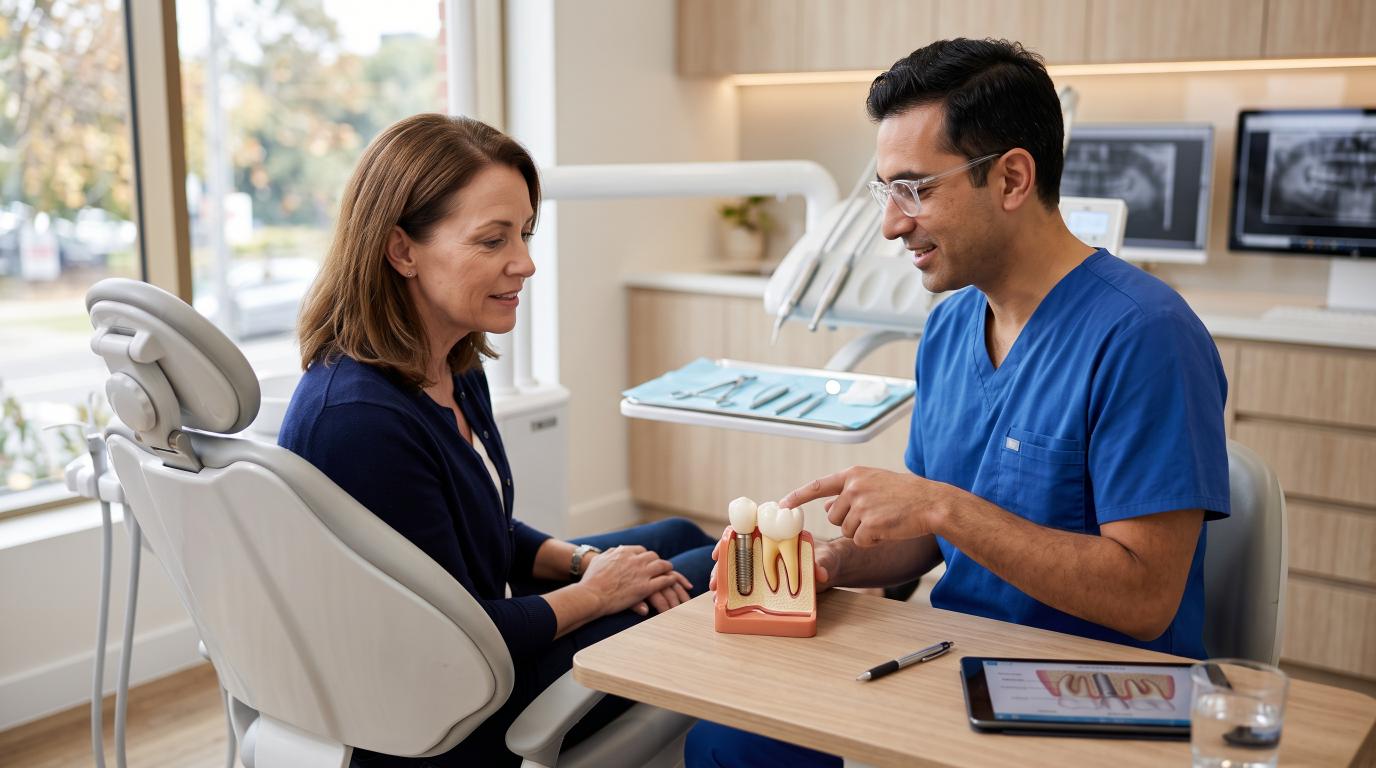
If you are considering replacing a missing tooth, you may wonder, how long do dental implants last? Dental implants can last for many years, and the implant post may potentially last for decades with proper care. However, the crown attached to the implant may wear out sooner and eventually need replacement.
At Marketplace Dental Excellence in Queen Creek, AZ, patients can receive an evaluation to understand whether dental implants may be suitable for their needs. Your implant lifespan depends on several factors, including your gum health, bone support, oral hygiene, lifestyle habits, bite forces, and regular dental care.
It is also important to understand that a dental implant has several parts. The implant post, abutment, and crown do not always have the same lifespan. Knowing the difference can help you understand what to expect over the years.
How Long Do Dental Implants Last on Average?
Dental implants are designed as a long-term tooth replacement option. The titanium implant post that is placed in the jawbone can remain in place for many years. Some implants continue functioning for 20 years or longer. A 2024 meta-analysis of 20-year dental implant survival found that long-term survival is possible even after two decades. The researchers also stressed that regular follow-up remains important because implant failure can have several causes.
Another systematic review of 10-year dental implant survival reported an estimated implant survival rate of 96.4% at 10 years before adjustments for missing follow-up data. This does not mean every implant will last the same amount of time, but it shows why implants are considered a long-term treatment option. The implant itself and the visible replacement tooth should not be treated as the same thing.
The implant post may remain stable for decades, while the crown can experience normal wear and may need repair or replacement sooner. Your own result will depend on your oral health, medical history, bite, daily habits, and how well the implant is maintained.
Understanding the Parts of a Dental Implant
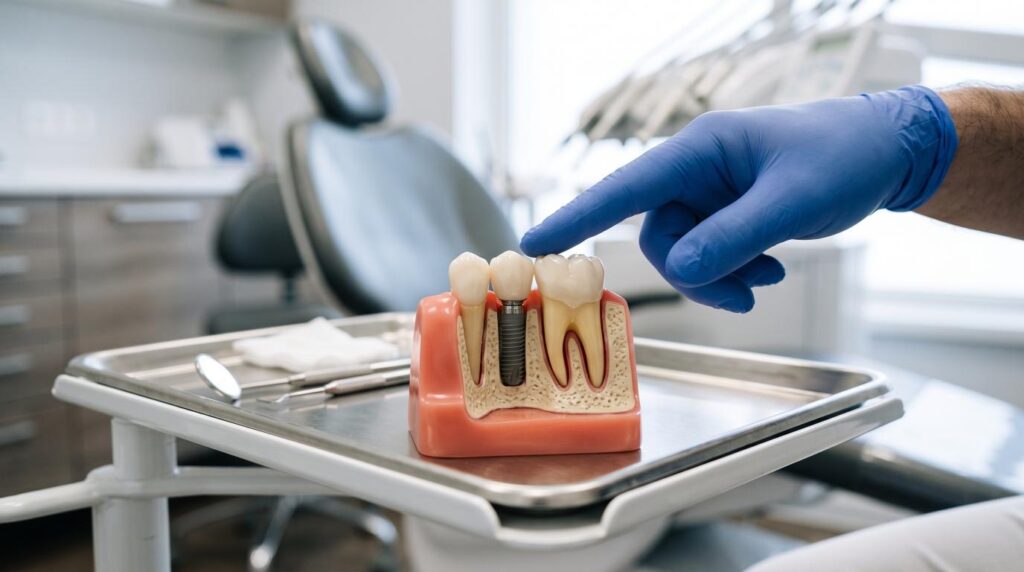
A dental implant restoration normally includes three main parts. Each part serves a different purpose, which is why each can have a different lifespan.
Implant Post
The implant post is the part placed into the jawbone. It is usually made from titanium or a titanium alloy and acts as an artificial tooth root. After placement, the surrounding bone heals around the implant surface. This process helps create a strong foundation for the replacement tooth. Because the implant post sits below the gumline and is supported by bone, it can often remain in place much longer than the visible crown.
Abutment
The abutment is the connector between the implant post and the dental crown. It sits above the implant and helps support the restoration. An abutment is designed to stay securely attached, but it can sometimes loosen, become damaged, or need replacement when other parts of the restoration are repaired. Regular dental visits allow the dentist to check the abutment and surrounding tissues for changes.
Dental Crown
The dental crown is the visible part that looks and functions like a tooth. It is attached to the implant through the abutment. Unlike the implant post, the crown is directly exposed to chewing pressure, food, changes in temperature, and daily wear. Because of this, it may need replacement before the implant post does. How long a crown lasts depends on the material, its position in the mouth, your bite, oral hygiene, and habits such as grinding your teeth.
How Long Does Each Part of a Dental Implant Last?
A dental implant has three main parts: the implant post, the abutment, and the crown. The implant post is placed inside the jawbone and works like an artificial tooth root. A large long-term study involving 10,871 dental implants followed implants for up to 22 years and found strong long-term survival.
The abutment is the small connector that joins the implant post to the crown. It can last for many years but may need replacement if it becomes loose or damaged. The crown is the visible part that looks like a natural tooth. Because it handles daily biting and chewing, it may wear out sooner than the implant post.
What Affects How Long Dental Implants Last?
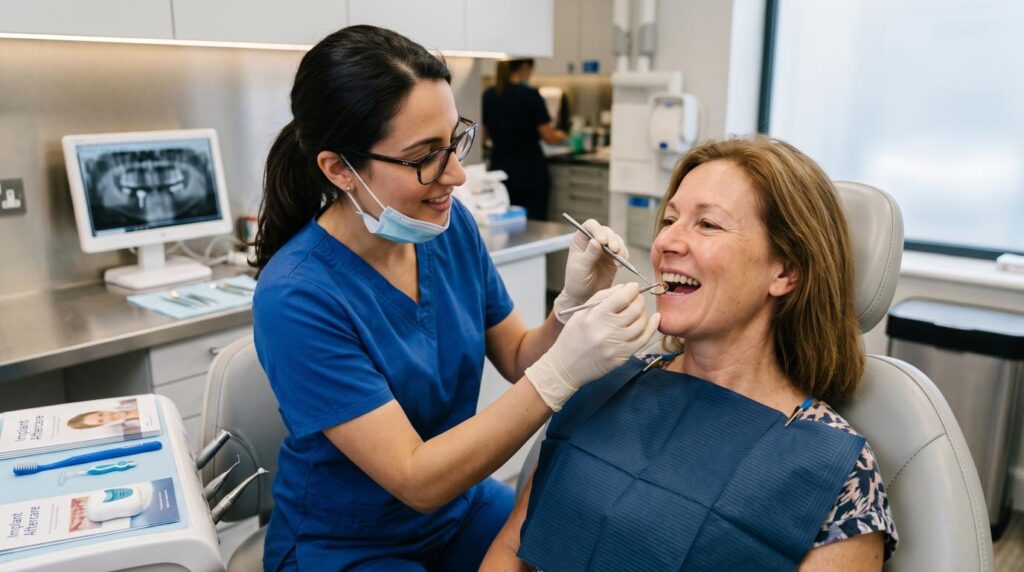
Dental implants do not all age in the same way. Several factors affect their long-term stability.
Gum and Bone Health
Healthy gums and strong supporting bones are important for an implant. The implant depends on the surrounding bone for stability. Inflammation and bone loss around an implant can weaken this support over time. People with a history of gum disease may require closer monitoring and more frequent professional care to protect the tissues around their implants.
Oral Hygiene and Daily Care
Dental implants cannot develop cavities, but the gums and bone around them still need proper care. Plaque can collect around an implant just as it does around natural teeth. Daily brushing and cleaning between the teeth help control bacteria and reduce inflammation. Your dentist may recommend specific floss, interdental brushes, or other cleaning tools based on the location and design of your implant restoration.
Smoking and Other Lifestyle Habits
Smoking can interfere with oral health and the tissues that support dental implants. It may affect healing after implant placement and can increase the risk of problems around the implant later. Patients who smoke should discuss the possible risks with their dentist before and after implant treatment. Other habits that affect oral hygiene or place repeated stress on the restoration can also influence its lifespan.
Teeth Grinding and Bruxism
Grinding or clenching your teeth can place heavy pressure on implant crowns. Natural teeth have structures that help absorb some biting forces. Dental implants respond differently, so repeated heavy pressure may contribute to wear, fractures, loose components, or other mechanical problems. A dentist may recommend a night guard if there are signs of grinding or clenching.
Overall Health and Medical Conditions
Your overall health can affect healing and the long-term health of the tissues around an implant. Certain medical conditions, medications, or treatments may influence bone health or healing. This does not automatically mean someone cannot have dental implants. Your dentist should review your health history and medications before recommending implant treatment.
Quality of Implant Placement
Careful treatment planning is important for long-term implant function. The dentist must consider the amount and quality of available bone, implant position, bite forces, nearby teeth, and the planned restoration. Proper positioning helps the implant support chewing forces while also making the surrounding area easier to maintain.
What Causes Dental Implants to Fail?
Dental implant failure is not caused by one single problem. Failure can occur during healing or years after the implant was placed. Research on implant longevity shows that long-term outcomes can be affected by several biological and mechanical factors.
Peri-Implantitis and Gum Problems
Peri-implantitis is inflammation around an implant that is associated with loss of supporting bone. It can develop when harmful bacteria build up around the implant and surrounding tissues. Warning signs may include bleeding, swelling, discomfort, or changes in the bone around the implant. Early evaluation is important because untreated inflammation may continue to affect the supporting tissues.
Bone Loss Around the Implant
The implant needs healthy bones for support. If significant bone loss develops around it, the implant may become less stable. Bone changes can be linked with inflammation, infection, bite forces, and other risk factors. Regular dental examinations and imaging when needed can help the dentist monitor the bone around an implant.
Poor Oral Hygiene
Poor plaque control can increase inflammation around the implant. Although the implant itself cannot decay, bacteria can affect the surrounding gums and bone. Daily cleaning is therefore an important part of protecting the implant. Good home care should continue even if the implant feels completely normal.
Smoking
Smoking is another factor that can affect implant health. It can interfere with healing and may increase the risk of complications involving the gums and bone. Reducing or stopping smoking can support better oral health and may improve the conditions around an implant.
Excessive Pressure or Teeth Grinding
Repeated heavy pressure can affect the restoration and implant components. Grinding may lead to worn crowns, chipped material, loose screws, damaged components, or other mechanical problems. If you frequently wake with jaw soreness or have signs of tooth wear, tell your dentist so your bite can be evaluated.
Signs Your Dental Implant May Need Attention
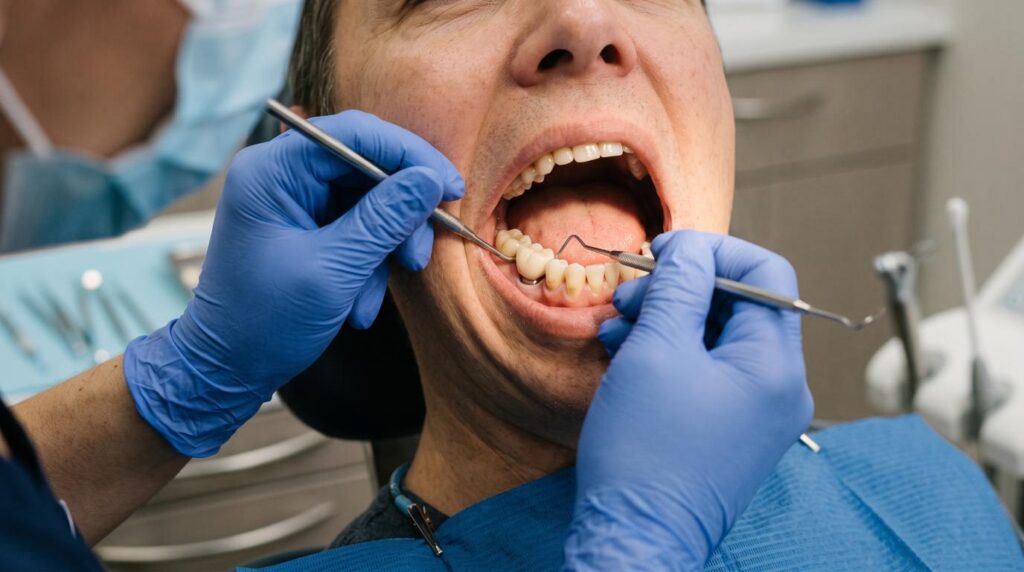
A dental implant that has been comfortable for years should not suddenly feel loose or painful. Changes do not always mean the implant has failed, but they should be checked.
Contact a dentist if you notice:
- New or increasing discomfort around the implant
- A crown or implant that feels loose
- Swelling, redness, or bleeding around the implant
- Difficulty or discomfort when chewing
- A change in your bite or how the implant feels
A loose crown, for example, may involve the restoration rather than the implant post itself. An examination is needed to identify the cause. Do not wait for severe pain before seeking care. Some problems around implants can begin with mild symptoms.
Dental Implants vs. Bridges and Dentures
Dental implants, bridges, and dentures can replace missing teeth, but they differ in how they are supported, maintained, and replaced over time.
| Option | How It Works | Longevity and Maintenance |
| Dental Implants | An implant post is placed in the jawbone and supports a crown. | The implant post can last for many years, while the crown may need replacement sooner. Regular cleaning and dental checkups are important. |
| Dental Bridges | A bridge usually uses nearby teeth to support the replacement tooth. | Bridges can last for years but may need replacement as they wear or as the supporting teeth change. |
| Dentures | Removable dentures rest on the gums and replace several or all missing teeth. | Dentures need daily cleaning and may need adjustments or replacement as the gums and jaw change over time. |
A review comparing the longevity of teeth and oral implants explains why treatment decisions should consider the condition of the remaining natural teeth as well as implant outcomes. The best option depends on your missing teeth, bone health, oral health, remaining teeth, and treatment needs.
How to Make Your Dental Implants Last Longer

You cannot control every factor that affects implant lifespan, but good daily care and regular dental visits can help protect your investment.
Maintain Good Oral Hygiene
Brush your teeth and implant restorations thoroughly every day. Clean around and between the implant and nearby teeth as directed by your dentist. The goal is to keep plaque from remaining around the gumline. Depending on your restoration, you may need floss, an interdental brush, or another tool to clean areas a regular toothbrush cannot reach.
Keep Regular Dental Checkups
Continue routine dental visits after your implant treatment is complete. The dentist can check the implant crown, abutment, gums, bite, and surrounding bone. Professional cleaning also removes buildup that can be difficult to remove at home. Long-term follow-up matters because an implant may continue functioning well for many years while still needing ongoing maintenance.
Protect Your Implants From Grinding
If you grind or clench your teeth, ask your dentist whether additional protection is needed. A custom night guard may reduce some of the pressure placed on the implant crown and other teeth during sleep. Managing grinding can also help reduce wear on the rest of your dental work.
Avoid Smoking
Avoiding tobacco can support healthier gums and better conditions around dental implants. If you currently smoke, discuss this with your dentist before implant treatment. Your dentist can explain how smoking may affect healing and long-term implant health.
Follow Your Dentist’s Care Instructions
Implant care can vary based on the type of restoration you have. A single implant crown may require different cleaning techniques than an implant-supported bridge or a full-arch restoration. Follow the instructions given for your specific restoration and contact a dentist if something changes.
Conclusion
So, how long do dental implants last? The implant post can remain functional for many years and may last 20 years or longer when conditions are favorable. Long-term research supports high survival rates, but no implant can be guaranteed to last for life.
The implant post and the visible crown also have different lifespans. A crown may eventually wear, chip, loosen, or need replacement even while the implant underneath remains stable.
Daily oral hygiene, healthy gums and bone, regular dental visits, protection from grinding, and avoiding smoking can all help support long-term implant health. Paying attention to small changes around an implant can also help problems get checked before they become more serious.
Schedule a Dental Implant Consultation
If you are considering dental implants or have questions about an existing implant, Marketplace Dental Excellence in Queen Creek, AZ can evaluate your teeth, gums, bone, bite, and current restoration.
A dental implant consultation can help you understand your treatment options, expected maintenance, and what may affect the long-term lifespan of your implant. Contact us at (480) 545-8700 to schedule a dental implant evaluation in Queen Creek, AZ.
Frequently Asked Questions
Do dental implants last forever?
Dental implants are designed for long-term use, and some implant posts may remain functional for decades. However, it is not possible to guarantee that an implant will last forever. Gum health, bone support, hygiene, smoking, bite forces, medical factors, and regular care can all affect its lifespan.
Can dental implants last 20 years or longer?
Research has documented dental implants that remain in function for 20 years or longer. A 2024 meta-analysis specifically evaluated implant survival over a 20-year period. Individual results still vary, so long-term dental follow-up remains important.
How often does an implant crown need to be replaced?
There is no exact replacement schedule for every implant crown. A crown may last many years, but wear, cracks, changes in the bite, grinding, or other problems can lead to earlier replacement. The implant post underneath may remain healthy even when the crown needs replacement.
What causes a dental implant to fail?
Possible causes include inflammation around the implant, bone loss, poor plaque control, smoking, healing problems, and excessive bite forces. Failure can occur soon after placement or years later, depending on the cause.
Can a failed dental implant be replaced?
The dentist first needs to determine why the original implant failed and whether enough healthy bone and gum tissue remain. Additional healing or bone grafting may sometimes be needed before another implant can be considered.
Does age affect how long dental implants last?
Age alone does not determine whether an implant will succeed. Overall health, bone quality, oral hygiene, medical conditions, medications, and the ability to maintain the implant are also important. A dentist needs to evaluate these factors for each patient.